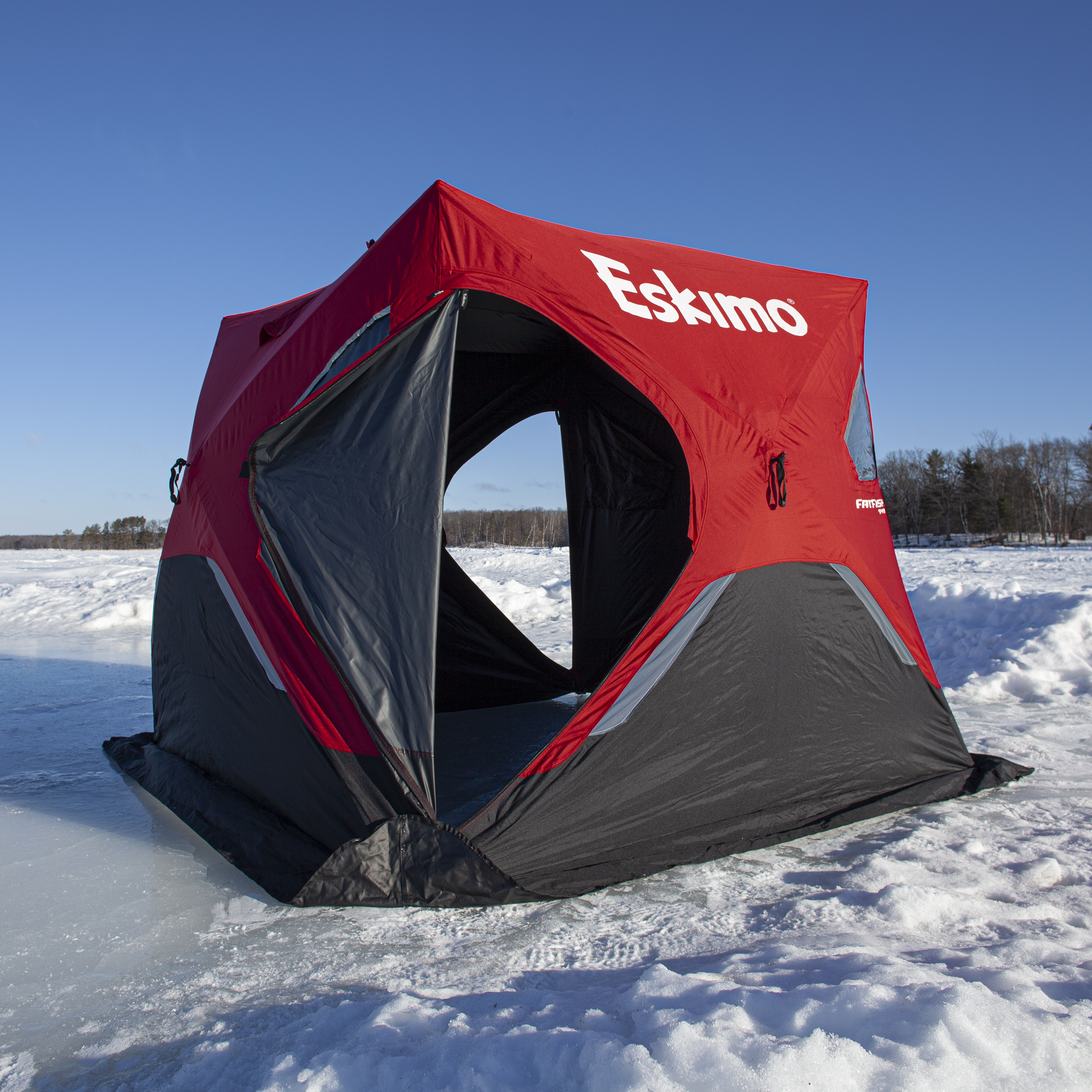
The Arctic, a realm of extreme cold and unforgiving landscapes, has been home to resilient indigenous communities for millennia. Among their many remarkable adaptations, the igloo stands out as a symbol of ingenuity and survival. These portable Eskimo dwellings, crafted from snow, provided shelter and warmth in one of the harshest environments on Earth. This article delves into the fascinating world of igloos, exploring their construction, insulation properties, cultural significance, and modern relevance.
An igloo, also known as a ‘snow house,’ is a type of shelter constructed from blocks of snow, primarily used by the Inuit people of Canada, Greenland, and Alaska. These structures are not merely piles of snow; they are carefully engineered dwellings that provide remarkable insulation and protection from the elements. The word ‘igloo’ simply means ‘house’ or ‘shelter’ in the Inuit language, and while it is most commonly associated with snow houses, it can refer to any type of dwelling.
The construction of an igloo is a testament to the Inuit’s deep understanding of snow and its properties. It requires specific types of snow, tools, and techniques passed down through generations. The process is both physically demanding and intellectually impressive.
Selecting the Right Snow: Not just any snow will do. The ideal snow for building an igloo is wind-packed, dense snow with a crystalline structure. This type of snow, often found after a blizzard, is strong enough to be cut into blocks and will provide the necessary insulation.
Tools of the Trade: Traditionally, Inuit builders used knives made of bone, ivory, or metal to cut and shape the snow blocks. Today, metal saws are more common, but the fundamental techniques remain the same.
Cutting the Blocks: The builder starts by identifying a suitable snowdrift. Using a knife or saw, they cut the snow into rectangular blocks, typically about 3-4 feet long, 1.5 feet wide, and 1 foot thick. The size and shape of the blocks may vary depending on the snow conditions and the builder’s preference.

Building the Structure: The first row of blocks is laid out in a circle, forming the base of the igloo. Each subsequent row is angled slightly inward, creating a spiral that gradually converges towards the top. This inward spiral is crucial for the structural stability of the igloo.
The Keystone: The final block, known as the keystone, is carefully shaped to fit snugly into the opening at the top of the dome. This block is often the most challenging to install, requiring precision and skill. Once the keystone is in place, the igloo is structurally complete.
Sealing the Gaps: After the main structure is built, the builder fills any gaps between the blocks with loose snow. This helps to prevent drafts and further improve insulation.
Insulating Properties of Snow: Snow is an excellent insulator because it contains a large amount of trapped air. This air acts as a barrier, preventing heat from escaping and cold from entering.
Dome Shape: The dome shape of the igloo is not only structurally sound but also helps to distribute heat evenly throughout the interior. Warm air rises to the top of the dome, while cooler air sinks to the bottom.
Small Entrance: The entrance to an igloo is typically very small and often includes a tunnel. This design minimizes the amount of cold air that can enter the dwelling when the door is opened.
Body Heat: The body heat of the occupants also contributes to the warmth inside the igloo. Even a small number of people can generate enough heat to raise the interior temperature significantly.
Ventilation: A small ventilation hole is usually cut into the top of the igloo to allow for the exchange of air and prevent the buildup of carbon dioxide. This is crucial for maintaining a healthy and breathable atmosphere inside the dwelling.
Igloos are more than just shelters; they are deeply intertwined with the culture and traditions of the Inuit people. They represent resourcefulness, adaptability, and a profound connection to the Arctic environment.

Seasonal Use: Traditionally, igloos were primarily used as temporary winter dwellings during hunting trips. Their portability and ease of construction made them ideal for nomadic lifestyles.
Community Building: Building an igloo was often a communal activity, with family members and neighbors working together to construct the shelter. This collaborative effort fostered a sense of community and cooperation.
Symbolic Significance: The igloo has become a powerful symbol of Inuit culture and identity. It represents the ability to thrive in a challenging environment and the enduring spirit of the Arctic people.
While igloos are less commonly used as permanent dwellings today, their design principles and construction techniques continue to be relevant in modern contexts.
Emergency Shelters: Igloos can still serve as emergency shelters for travelers and adventurers in Arctic regions. Their ability to provide warmth and protection in extreme conditions makes them a valuable survival tool.
Architectural Inspiration: The dome shape and insulating properties of igloos have inspired architects and engineers in the design of modern buildings. The principles of sustainable design and energy efficiency can be applied to create structures that are both environmentally friendly and comfortable.
Educational Tool: Building igloos can be a valuable educational activity, teaching students about Arctic cultures, engineering principles, and the importance of sustainability.
How long does it take to build an igloo? A skilled builder can construct a small igloo in just a few hours. Larger, more complex igloos may take a day or more to complete.
How warm is it inside an igloo? The temperature inside an igloo can be as much as 40-60 degrees Fahrenheit warmer than the outside temperature. Even when the outside temperature is well below freezing, the interior of an igloo can be above freezing.
Are igloos waterproof? While igloos are not completely waterproof, the snow blocks melt slightly on the inside, forming a layer of ice that helps to seal the structure and prevent water from entering.
How long do igloos last? With proper maintenance, an igloo can last for several weeks or even months. However, they are susceptible to melting during warmer periods and may need to be repaired or rebuilt periodically.
Can anyone build an igloo? While the basic principles of igloo construction are relatively simple, it takes practice and skill to build a structurally sound and well-insulated dwelling. Learning from an experienced builder is highly recommended.
The igloo stands as a remarkable example of human ingenuity and adaptation. These portable Eskimo dwellings not only provided shelter and warmth in one of the world’s harshest environments but also played a vital role in the culture and traditions of the Inuit people. From their meticulous construction using wind-packed snow to their surprising insulation properties, igloos offer valuable lessons in sustainable design and the importance of understanding and respecting the natural world. While their use as permanent dwellings has declined, the legacy of the igloo continues to inspire and inform, reminding us of the resourcefulness and resilience of the human spirit. As we face the challenges of a changing climate, the lessons learned from traditional building techniques like those used to construct igloos may hold valuable insights for creating more sustainable and resilient communities in the future. The igloo is more than just a snow house; it is a symbol of survival, community, and the enduring connection between people and their environment.
In addition to the practical and cultural aspects of igloos, it’s important to consider the environmental factors that contribute to their effectiveness. The availability of suitable snow, the prevailing wind patterns, and the overall climate all play a role in determining the feasibility and longevity of an igloo. Understanding these factors is crucial for anyone attempting to build an igloo or study its construction.
Snow Density and Structure: As mentioned earlier, the ideal snow for building an igloo is wind-packed and dense. This type of snow has a higher density and a more crystalline structure than freshly fallen snow. The density of the snow affects its insulating properties and its ability to be cut into stable blocks. The crystalline structure provides strength and cohesion, allowing the blocks to interlock and form a strong dome.
Wind Patterns: The prevailing wind patterns in an area can influence the shape and location of snowdrifts, which are essential sources of snow for igloo construction. Builders often choose locations that are sheltered from strong winds to minimize the risk of the igloo being damaged or blown down. The wind can also affect the rate of snow accumulation and the formation of dense, wind-packed snow.
Climate and Temperature: The overall climate and temperature of an area determine the type and quality of snow that is available for building igloos. In colder climates, the snow is typically drier and more suitable for construction. Warmer temperatures can cause the snow to melt and become less stable, making it difficult to build a durable igloo. The frequency and intensity of snowstorms also play a role in determining the availability of snow for building.
Finding Suitable Snow: One of the biggest challenges is finding a sufficient amount of wind-packed, dense snow. In some areas, the snow may be too soft or too icy to be used for building.
Cutting and Shaping Blocks: Cutting and shaping the snow blocks can be physically demanding, especially in cold weather. The blocks must be cut to the right size and shape to fit together properly, and any mistakes can compromise the structural integrity of the igloo.
Maintaining Stability: Assembling the igloo requires careful attention to detail to ensure that the structure is stable and does not collapse. The blocks must be angled correctly, and any gaps must be filled to prevent drafts and maintain insulation.
Dealing with Melting: During warmer periods, the snow blocks may start to melt, which can weaken the structure and cause it to collapse. Builders must be prepared to repair or rebuild the igloo as needed to maintain its integrity.
In conclusion, the igloo represents a remarkable feat of engineering and adaptation. Its design and construction reflect a deep understanding of the Arctic environment and the properties of snow. While igloos are less commonly used as permanent dwellings today, their legacy continues to inspire and inform, reminding us of the resourcefulness and resilience of the human spirit. By studying the principles of igloo construction, we can gain valuable insights into sustainable design and the importance of living in harmony with nature.